
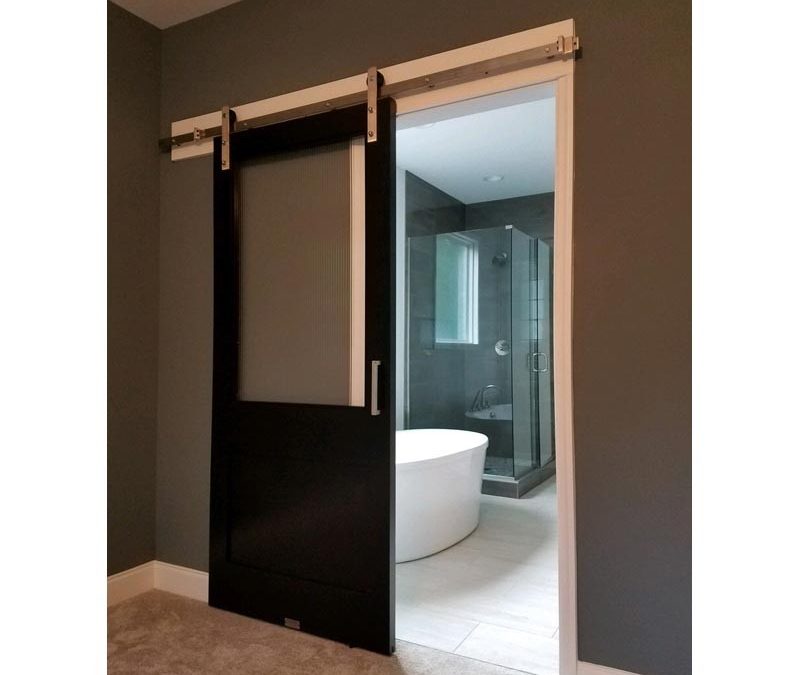
A home doesn’t always need a complete remodel to feel refreshed. Sometimes, the smallest upgrades can offer the biggest transformation. One such detail? A barn door. Stylish, practical, and easy on the eyes, barn door installations have evolved far beyond their rustic roots. Today, they’re turning heads in modern lofts, compact apartments, and contemporary homes alike. Their appeal lies not just in aesthetics but in functionality. When wall space is limited, and traditional doors just won’t do, a barn door steps in as the sleek problem-solver.
Not every house requires a full-scale renovation in order to become rejuvenated. In certain cases, even the slightest updates can provide the greatest change. One of these details? A barn door. Stylish, practical, and easy on the eyes, barn door installations have evolved far beyond their rustic roots. They are making heads turn today in modern lofts, small apartments as well as contemporary homes. They are not only beautiful to look at but also functional. Barn doors become the stylish solution when there is not much space to fit a conventional door and the conventional door simply will not work.
But let’s face it — installing one might seem like a task reserved for contractors. Here’s the good news: with the right tools, mindset, and guidance, you can handle this yourself. Whether you’re a seasoned DIY enthusiast or someone who’s just now picking up a measuring tape, this guide has got your back.
However, the truth is that installing one may appear to be a job of a contractor. The silver lining here is that you can do this on your own, with the right tools, mindset, and guidance. This guide has got you covered whether you are a well-established DIY enthusiast or only now holding a measuring tape in your hands.
Choosing the Right Door for Your Space
Before diving into drills and screws, step back and think about the kind of barn door that fits your vibe. You don’t want to slap any old door on the wall. Is your room craving a pop of color or something that blends in? Do you want glass panels or a solid slab? These decisions matter.
Once that’s decided, double-check your measurements. Barn door installation demands accuracy. Measure the width of your doorway and add at least two inches on each side to ensure complete coverage when the door is closed. Also, check the wall space adjacent to the doorway — you need enough room to slide the door open fully.
Take a step back and consider the type of barn door that suits your style before getting down to drills and screws. You do not want to pound on any door on the wall. Does your room need some color or something neutral? Would you prefer glass panels or a solid slab? Such choices count.
After you decide that, make sure you check your measurements twice. Barn door installation demands accuracy. Measure your doorway width and leave at least two inches on both sides to cover the entire doorway when the door is closed. Another thing is to make sure that the wall space near the door has plenty of space to allow the door to slide open all the way.
Gathering Your Tools and Materials
So, you’ve picked out your door. Great. Now comes the prep work — grabbing all the tools you’ll need. Here’s a friendly checklist:
- Level
- Drill
- Stud finder
- Measuring tape
- Barn door hardware kit
- Safety goggles (your eyes will thank you)
- Pencil for marking (because guessing doesn’t cut it)
And don’t forget a helper. While not mandatory, having an extra pair of hands makes the job smoother — and keeps the door from crashing to the floor mid-installation.
You have selected your door, then!! Great…
It’s time to do some prep work, here comes the grabbing of all the tools you will need. Friendly checklist:
• Level
• Drill
- Stud finder
- Measuring tape
- Barn door hardware kit
• Safety goggles (your eyes will appreciate you)
• Pencil to mark (since guessing is not enough)
And of course, you need a helper. Though it’s not necessary, an additional pair of hands will make the work easier, and the door will not fall on the floor during the installation.
Prepping the Wall and Finding the Studs
The wall behind the door needs to be solid — no hollow sheetrock drama. A barn door installation involves mounting a track that bears the full weight of the door, so finding those wall studs is non-negotiable. Grab a stud finder and locate the points where you’ll be anchoring the mounting board.
Speaking of which, mounting boards are lifesavers. They help distribute the door’s weight evenly and give you a little flexibility when it comes to track height. Mounting directly into studs is fine, but if your track doesn’t line up with them, a board acts like a wingman — covering for you when things aren’t lining up.
The wall behind the door should be solid it cannot be hollow-sheet rock drama. A barn door installation involves mounting a track that bears the full weight of the door, so finding those wall studs is non-negotiable. Take a stud finder and identify where you are going to fix the mounting board.
In that regard, mounting boards are lifesavers. They assist to evenly distribute the weight of the door and provide you with slight setback in relation to train height. It is okay to mount directly in the studs, but in case that your track does not align with them, placing a board serves as a wingman, covering when lines are not aligning.
Installing the Track: Where the Magic Starts
Let’s not sugarcoat it — this is where things get technical. Once you’ve located the studs and installed the mounting board, align your track with it. Use your level like your life depends on it. A crooked track means a door that slides on its own — spooky and inconvenient.
Once it’s lined up, mark the screw holes, drill pilot holes, and screw the track securely into place. Keep checking for alignment. There’s nothing more frustrating than hanging the door only to realize the track is slightly off.
Tennessee Barn Doors recommends using high-quality hardware for a seamless slide and to avoid unnecessary wear and tear. While installation might seem daunting at this stage, getting the track set correctly is half the battle — maybe more.
It is the technical part, and we are not going to sugarcoat it. After finding the studs and putting the mounting board, align the track with that. The type of crooked track is a self-sliding door, which is creepy and troublesome.
When aligned, make markings on where the screws are to be inserted, bore pilot holes, and screw them firmly into the track. Continue to look at alignment. Nothing is as annoying as hanging the door only to find out that the track is a little bit shifted.
Tennessee Barn Doors insists on quality high-end hardware to provide smooth movement and to prevent aggravated wear and tear. Installation may indeed appear a formidable task at this point, but once the track is set the right way, one is already halfway through the training.
Attaching the Rollers to Your Door
Time to give your door its wheels. Line up your rollers with the top edge of the door and drill them in according to your hardware kit’s instructions. It’s pretty straightforward, but don’t rush it. Uneven rollers could mess up how the door moves, and you don’t want a lopsided situation swinging in and out of your room.
Pro tip: Lay the door flat on a padded surface while attaching the rollers. This keeps it steady and protects it from scratches and scuffs. You didn’t carry that heavy thing through the hallway just to ding it up now.
Now it is time to provide wheels to your doors for rolling back and forth. Align your rollers with the top side of your door and drill them as mentioned in the directions provided in your hardware kit. It is kind of simple, but you need not be in a hurry to complete the process. Uneven ones are capable of ruining the way the door operates, and you do not want the imbalanced side of the door to swing in and out of your room.
Tip: While you’re fixing the rollers, you should still do it in a laid-down position on a padded surface. This maintains its fix and prevents scratches and scuffs. You didn’t bring that heavy item into the hall to ensure that it was dinged.
Hanging the Door (Finally!)
Moment of truth: it’s time to hang that masterpiece. Carefully lift the door and align the rollers with the track. Here’s where your helper earns their pizza. Make sure it sits flush and slides smoothly.
Test the movement back and forth — gently at first, like you’re trying not to wake a sleeping baby. If you’ve followed the steps correctly, the glide should feel buttery. If not, double-check the roller alignment and make sure the track isn’t bowed or loose.
Smooth sliding is a sign of a well-executed barn door installation — it should open with a satisfying motion and close securely without bouncing back.
Time to nail that masterpiece up and slowly open the door to find the position of the rollers on track. That’s where your helper will pay off his/her pizza. Ensure that it lies in a flat position and pulls.
Check the left-to-right motion – lightly at first, as though you were trying not to disturb a sleeping infant. In case you have gone through the procedures, then the glide must feel buttery. Otherwise, check roller alignment again and ensure that the track is not either bowed or off.
Smooth sliding is a sign of a well-executed barn door installation — it should open with a satisfying motion and close securely without bouncing back.
Adding the Finishing Touches
Now that your door is up and running, it’s time to wrap things up with stoppers, guides, and floor brackets. Stoppers prevent the door from sliding too far either way, while the floor guide keeps it from swinging out and behaving like a rebellious teenager.
Make sure everything is tightened properly. A quick inspection here can save you from future adjustments or mysterious squeaks that appear during midnight snack runs.
Want to go the extra mile? Add a handle or latch that matches your room’s hardware. Whether you choose vintage iron, matte black, or brushed brass, small details elevate the final look.
Your door is up and working now, so it is time to complete the rest of it with stoppers, guides and floor brackets. Stoppers allow no door to move too much to one direction or another and the floor guide does not allow the door to swing out and act like a delinquent teenager.
Ensure tightening of all things. This kind of simple review can help you avoid subsequent patching or grotesque squeals that will emerge in the middle of snack raids. Fancy going an extra mile?
Put a handle or latch that would match your room hardware. No matter what you select between vintage iron, matte black, or brushed brass, even minor elements come into play to make a final effect.
Troubleshooting Common Issues
Not every DIY project goes off without a hitch, and that’s perfectly okay. If your door scrapes the floor, check the roller placement or whether the track is too low. If it’s wobbly, you might need to reinforce the wall anchors or upgrade to sturdier mounting hardware.
Sometimes, even when you do everything by the book, things need a tweak or two. Don’t get discouraged. Every barn door installation is a learning curve, and even seasoned DIYers run into surprises — like that one stud that mysteriously vanishes when you need it most.
Not all DIY projects turn out smoothly, and this is just fine. When the door scratches on the floor you should look to see whether the roller is installed correctly or your track is too low. When it is unstable, then you could potentially have to strengthen the wall anchors or go with heavier mounting hardware.
It is not always that you do all things by the book and things should not go without a few tweaks here and there. Never get discouraged. Every barn door installation is a learning curve, and even seasoned DIYers run into surprises — like that one stud that mysteriously vanishes when you need it most.
When to Call and Get Help?
Not all jobs have to turn into your weekend project. Sometimes it can be tricky to mount your wall structure if this is something you have never done before, or you have a heavy door and rather be safe than sorry, you’d better call a pro. By the end of the day, one will strive to get a beautiful and useful barn door and not a torn muscle or a run in the wall.
One thing is to be careful that whoever you hire will share your vision and take the time to have the right measurements and details. YouTube may appear to be easy to install, but only time and skill usually separate the difference between almost and perfect.
Conclusion: Let Your Barn Door Shine
Having a barn door installed not only provides aesthetic value; it also introduces utility and character to it. Having a clear vision, the proper equipment, and being a bit patient, you turn a boring doorway into a stylish feature in your home. Whether you’re upgrading a pantry, redefining your office entrance, or just trying to save space in a hallway, barn door installations offer a functional yet sleek solution.
Tennessee Barn Doors has continued to encourage homeowners to try this modern concept of room division, whereby they have quality that satisfies aesthetic and performance requirements. Whether it has a lot to do with the door you select, or it is just the last slide test, a great experience can be felt after you take your new door to go sliding back and forth on the track, with its cool, smooth, quiet results.
Frequently Asked Questions
Is barn door installation suitable for modern interiors, or does it only suit rustic themes?
Barn door installation fits beautifully into modern, minimalist, and industrial spaces just as well as rustic settings. With customizable designs, finishes, and hardware options, they adapt easily to various interior aesthetics.
How much wall space is required for successful barn door installations?
For barn door installations to work properly, you’ll need enough clear wall space beside the doorway for the door to slide open completely. This ensures full functionality without blocking furniture or fixtures.
Can I handle barn door installation as a DIY project, or should I hire a professional?
Many homeowners complete barn door installation as a DIY weekend project, especially with pre-assembled kits. However, precise measurement and mounting are key, so hiring a professional ensures flawless alignment and long-term durability.
Are barn door installations noisy or disruptive when used regularly?
Quality barn door installations often include soft-close mechanisms and smooth-rolling hardware that reduce noise. With proper components, they open and close quietly, offering both style and subtlety.
What are some popular materials used in barn door installation?
Barn door installation options include solid wood, metal, frosted or clear glass, and even composite materials. The choice depends on the desired style, weight, and level of privacy needed in the space.
Do barn door installations offer enough privacy for bedrooms and bathrooms?
Yes, with the right hardware and snug fit, barn door installations can provide sufficient privacy. While they may not seal like a traditional door, they are effective when thoughtfully installed with proper overlap and floor guides.